Software Product Discovery Services
You already know the problem your product should solve. Discovery maps the shortest path from that problem to a first release you can build and fund with confidence.
With software product discovery services from Brights, every step on that path is tested with your users and checked by engineers. You get a validated MVP scope, a clickable prototype, an architecture plan, and a time and cost estimate for each phase.

Plan your first release on validated user insights

5.0
on Clutch
300+
projects shipped
ISO/IEC 27001
certification
Fortune 500
client experience
When the software discovery phase pays off.
You’re a founder without a technical co-founder
You have a clear product idea and need to know what to build first and what it will cost. Discovery turns the idea into a prioritized MVP scope and a cost estimate, and checks whether the technical approach holds up before development starts.
You’re preparing for a funding round
Investors look for a scoped MVP and a roadmap with realistic timelines and costs. Discovery produces both, so the budget and deadlines in your pitch deck come from a technical estimate and hold up under due diligence.
You’re rewriting the scope every week
When feature lists change weekly, and estimates swing by months, each change comes back later as rework. Discovery puts the scope into a written specification all stakeholders sign off on, so estimates stay stable once development starts.
You’re planning a pivot or a legacy rebuild
A pivot or a rebuild means the assumptions behind the original product may no longer hold. Discovery audits the current system and maps its integrations and dependencies, so the release date you commit to accounts for them.

Turn open questions into a release plan
What your discovery phase can include.
Case studies.
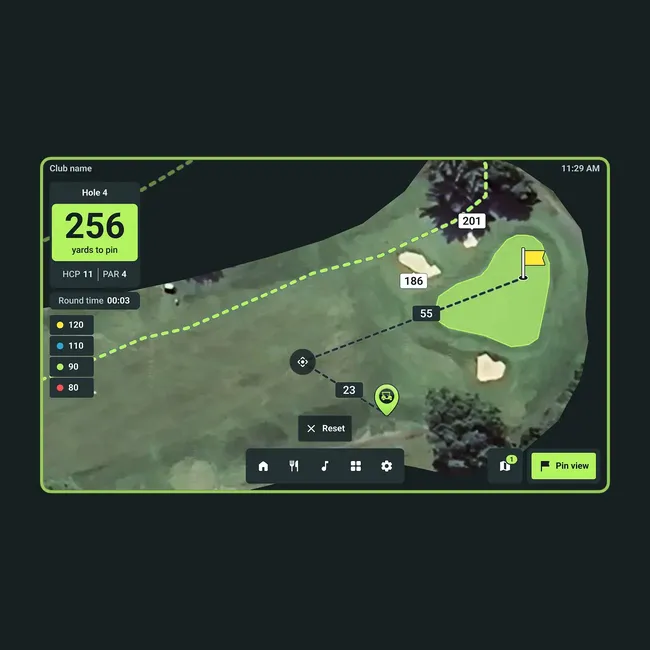
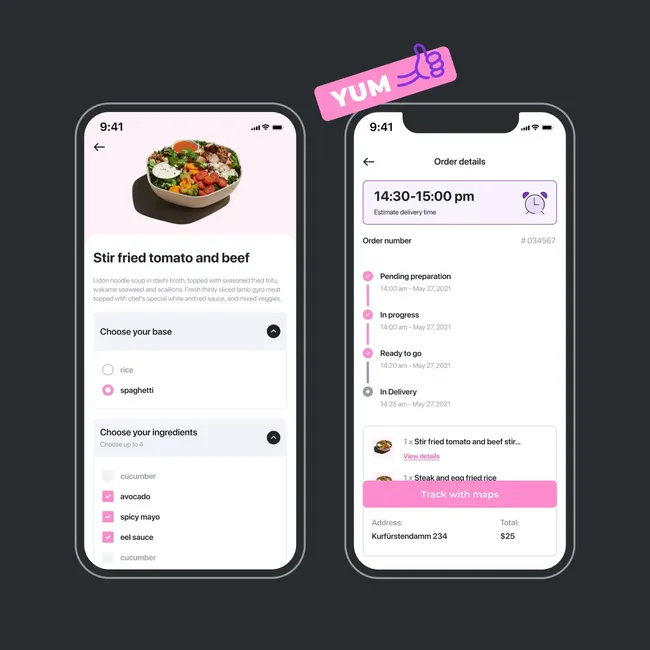
Discovery deliverables and how you can use them.
Product vision and success metrics
Align your team and investors on the product goal and how you will measure success.
Functional scope of work
Give any development team a clear, agreed definition of what the first release includes.
User personas and journey maps
Design and prioritize features around the needs of the people who will use them.
Clickable prototype
Show the product to users and investors before you commit budget to development.
Technical solution and architecture
Start development with an architecture built for the features planned in the roadmap.
Tech stack recommendation
Commit to technology choices with the tradeoffs for your product already worked out.
Project roadmap
See the phased path from MVP to full product, with each phase tied to a milestone.
Time and cost estimate
Fund the build with a time and cost figure you can defend to your board or investors.
Why choose Brights.
Brights works with founders building from scratch and with established enterprises, including Fortune 500 companies like Microsoft and Mastercard. Your discovery draws on both: lean MVP scoping from startup work and integration and compliance planning from enterprise projects.
)
Clients
say.

Brights is rated 5/5 average from reviews on Clutch
FAQ.
Most engagements run 2 to 6 weeks. A focused MVP scope can finish in 2 to 3 weeks; a product with heavy integrations or regulatory requirements takes longer.
Request a quote.
Thanks for scrolling this far. Let's take the next step. Provide us with a brief description of what you are going to build.